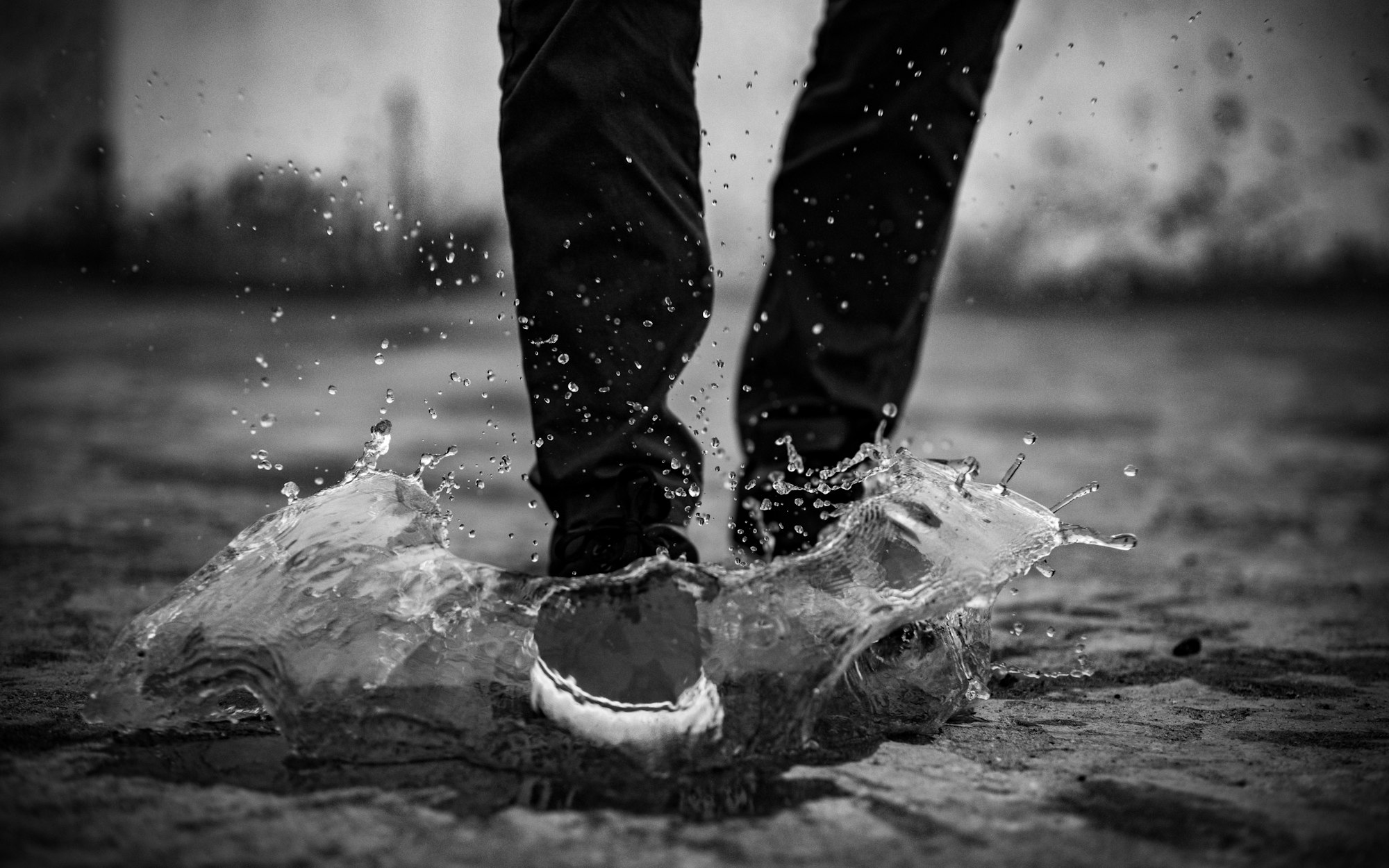
"There's no such thing as bad weather, only bad clothing." This Scandinavian saying applies perfectly to running. Running in the rain can be an incredibly refreshing and meditative experience—as long as you don't end up soaked and freezing after 5 minutes.
Here's how to adapt your gear to face the elements with a smile.
1. Upper Body: The Layering Strategy
Sweat management is even more critical in the rain. If you're wet from your own sweat inside a waterproof jacket, the result will be the same as wearing no jacket: you'll be cold.
The Base Layer
Forget cotton, which absorbs water and chills the body. Go for a technical breathable t-shirt or, if it's cool, a base layer in merino wool that retains warmth even when wet.
The Mid Layer (Optional)
Depending on the temperature, add a long-sleeve shirt. The goal is thermal insulation.
The Outer Layer: Water-Repellent vs Waterproof
This is often where mistakes are made.
- Water-repellent jacket: Water beads off the fabric but can eventually soak through in heavy rain. Advantage: excellent breathability. Ideal for light rain or intense workouts.
- Waterproof jacket: It blocks water. Look for the "Schmerber" rating (the waterproofness index). For running, a jacket rated at 10,000 Schmerber is a good standard. Make sure it's also breathable (RET < 6 ideally) to vent condensation.
2. Lower Body: Minimizing Chafing
Legs are less sensitive to cold than the torso since the muscles are constantly working.
- Shorts: In mild weather, this is often the best option. Skin dries faster than any fabric.
- Tights / leggings: In cold weather, they protect the muscles. Watch out for materials that get heavy when waterlogged.
- Anti-chafing cream: Essential! Rain makes irritation worse (between thighs, under arms, nipples). Apply generously to sensitive areas before heading out (products like BodyGlide or Vaseline).
3. Extremities: The Devil Is in the Details
The Cap (Accessory #1)
This is the rainy runner's secret weapon. The visor protects your eyes and glasses from drops, allowing you to keep your head up and maintain good visibility.
Socks
Avoid thick cotton socks. Choose thin technical socks (synthetic or merino) that minimize friction even when wet. Blisters come much faster with moisture.
4. Shoes: Grip and Drainage
- Grip: Wet pavement and fallen leaves are skating rinks. Look for shoes with sticky rubber (like Continental on Adidas or Pumagrip on Puma).
- Gore-Tex (GTX) or not?
- Yes if you're running through wet grass, melted snow, or shallow puddles.
- No if the rain is torrential. Once water gets in over the top of the shoe (and it will), a Gore-Tex membrane will prevent it from draining out. You'll be running with two aquariums on your feet. A standard mesh shoe will drain water much faster.
5. After the Run
As soon as you stop running, cooling happens immediately.
- Remove your wet clothes right away.
- Take a warm shower.
- Drying your shoes: Remove the insole, stuff the shoes with newspaper to absorb moisture. Never put them on a radiator—the heat warps the glue and foam.
Happy running, and remember: the most epic races are often the ones where you come home covered in mud!